
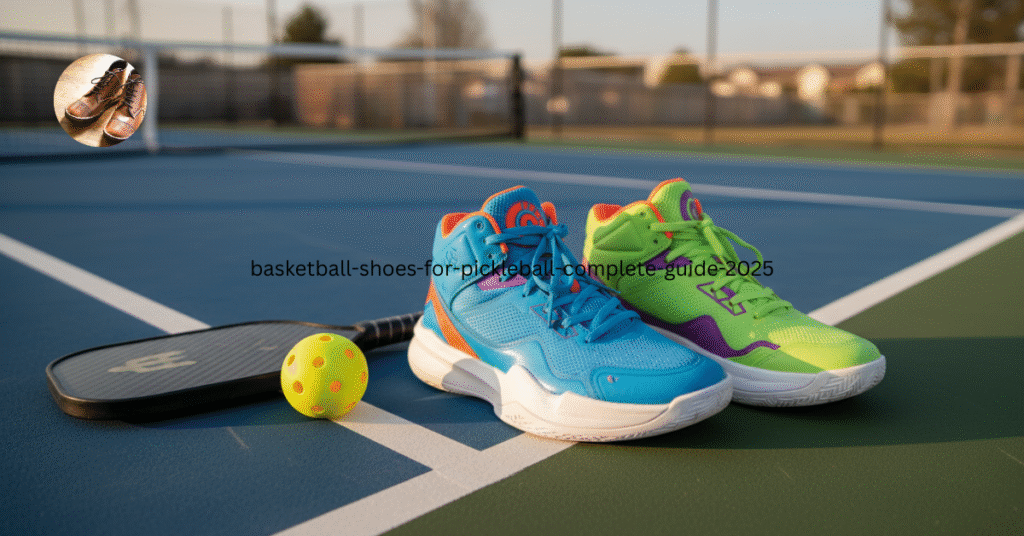
Playing pickleball in basketball shoes has become increasingly common, especially for players who want to use the footwear they already own. When considering basketball shoes for pickleball, it’s important to understand how they perform during quick volleys, fast transitions, and continuous side-to-side movement. Basketball shoes offer solid ankle support, strong court traction, and reliable impact cushioning, which can benefit many pickleball players. However, their heavier build and design may affect lateral stability during intense rallies. This guide will help you decide whether basketball shoes are a good match for your pickleball style, whether you play indoors or outdoors, casually or competitively.
The unique movement patterns in pickleball
Pickleball moves aren’t linear like long-distance running. The side steps, lunges, and backpedaling push your footwear hard. When you’re wearing basketball sneakers for pickleball, this diagonal pressure doesn’t always blend well with the heavier shoe build. These awkward moves demand shoes made specifically for short bursts, quick angles, and stable footing.
How court surfaces affect your footwear needs
Hard courts demand stronger rubber while concrete courts strain soft soles. Indoor pickleball relies on smoother surfaces that require strong grip. When you bring heavier soles, shoe sole wear on pickleball courts increases quickly. The wrong choice makes feet slip or drag, causing unexpected falls during rallies.
Lateral stability and injury prevention requirements
Strong ankle protection in court sports helps with fast sidesteps. Basketball shoes help somewhat but feel bulky for some players. Since pickleball involves shorter, lighter steps, too much cushioning limits natural court sensation. Balanced stability feels better and reduces joint stress in longer games.
Basketball Shoes vs Pickleball Shoes: Key Differences Explained
When players ask about pickleball shoes vs basketball shoes, they usually want to know how each reacts to hard-court pressure. Pickleball shoes focus on nimble steps and lighter frames while basketball models emphasize vertical jumps and strong landings. You feel the contrast most when shifting sideways because pickleball needs lighter traction. Shoes with big cushioning help with impact absorption in court shoes, yet too much padding slows quick short steps.
Basketball designs aren’t built for constant dashes near the kitchen line. Their rubber lasts long thanks to basketball outsole durability, though pickleball shoes favor smoother movement. Pickleball soles grip with controlled contact, and they also reduce the slipping dangers that come from oversized soles. If you compare both side by side, you instantly feel the grip and traction differences when switching sports. Even amateur players say they feel the traction shift once they pivot in the wrong footwear.
Differences in outsole design and traction
Basketball outsoles focus on jump landings and hard pivots. Meanwhile, pickleball soles manage indoor vs outdoor court traction, which changes how rubber grips the ground. When players switch between sports, they notice how grip patterns behave differently in quick rallies.
Support structures designed for each sport
Basketball shoes offer ankle collars that limit twisting. Pickleball models prioritize lightweight frames that encourage short steps. Heavy collars interrupt quick transitions, especially on hard pickleball surfaces.
Cushioning systems and shock absorption variations
Cushioned basketball shoes protect joints from vertical jumps. Pickleball shoes use lighter foam to support quick slides and shuffles. Too much cushioning reduces court feel, making it harder to control dinks and volleys.
Should You Use Basketball Shoes for Pickleball? Pros and Cons
Many beginners ask, can you use basketball shoes for pickleball, especially if they want to save money. Basketball shoes offer decent comfort and a familiar fit. New players often feel safer wearing them because the padding brings confidence. However, these shoes aren’t built for subtle footwork, which slows reactive plays. They feel heavier, affecting speed in competitive matches. For short casual sessions, they may feel alright, though not ideal for extended play.
On the downside, basketball shoes feel bulky when you move sideways because they weren’t made for constant stop-and-go actions seen in pickleball. Their thick soles reduce flexibility, which you need when reaching soft shots near the net. Their traction patterns don’t suit smaller courts and quick rallies, making them less effective than best shoes for pickleball designed for continuous pivoting. They could work for casual players but create challenges for those wanting precise movements.
Practical advantages for casual or occasional players
Beginners appreciate the cushioning, especially if they already own basketball shoes. Using them saves money while learning basic movements. Their breathable layers help in decent comfort.
Risks, limitations, and performance drawbacks
The heavy build reduces speed in long rallies. Some players feel pressure in their arches because the shoe shape wasn’t built for pickleball’s constant sideways shuffles.
Ideal conditions where basketball shoes may perform reasonably well
Indoor courts feel softer on basketball rubber. Their traction works better indoors than on rough concrete courts that grind down rubber faster.
How Shoe Weight Affects Your Pickleball Performance
The weight of basketball shoes changes performance more than players expect. Heavy shoes reduce quick steps, which limits your natural flow across the court. Light shoes feel agile because they help with low shuffles and sudden bursts. Pickleball requires efficient footwork, so weight affects how quickly you reach shots. This is why players prefer lighter shoes during high-intensity pickleball play where quick reaction matters. Heavy footwear changes foot rhythm and reduces comfort in long games.
Players switching from basketball shoes feel a noticeable difference because pickleball models use lighter materials. Lightweight shoes help with comfort and prevent fatigue in long sets. Basketball shoes feel heavier because they use dense cushioning meant for vertical landings rather than quick motions. That weight affects how fast you switch directions, especially when sliding near the net. The athletic shoe weight comparison shows that basketball designs remain heavier in most cases.
Why lightweight footwear matters in fast court games
Light shoes boost movement freedom. They allow your feet to adapt quickly without feeling dragged. Heavy shoes slow your steps and limit reaction time.
Balance between agility, speed, and foot fatigue
Pickleball players need footwear that balances quickness and comfort. Light materials reduce fatigue, helping you stay sharp during long matches.
Comparison of typical basketball shoe weight vs pickleball shoe weight
Basketball shoes average 12–16 ounces. Pickleball shoes often weigh less, improving agility. This shift helps with sustained rallies and controlled volleying.
Grip and Traction: Why Pickleball Shoes Perform Better
Pickleball shoes stand out because their soles blend grip with flexible movement. They help players handle sharp directional changes without slipping. They also reduce excessive stickiness, which slows steps. When comparing traction, pickleball shoes provide balanced friction that many players prefer. They provide the ideal traction for pickleball, blending smooth movement and controlled grip. Basketball soles create too much stick, limiting sideways slides needed during tight rallies.
Pickleball-specific tread patterns help with short acceleration, making controlled shuffles feel smooth. Indoor and outdoor options adjust to different court types. Indoor pickleball shoes grip wooden floors, while outdoor pickleball shoes feature more rugged rubber for tougher surfaces. This balance prevents injuries caused by unexpected slips, especially when making sudden side-to-side motions.
Why pickleball-specific traction patterns enhance quick stops
Designed for court speed, pickleball soles manage quick deceleration without sticking too much. Their rubber blends reduce drag yet grip strong enough for sudden stops.
The difference between indoor court grip and outdoor court durability
Indoor courts need soft traction. Outside courts require rugged rubber. Pickleball shoes cover both surfaces using specific tread patterns.
How improper traction increases slipping risks
Wrong soles slide too much during sudden turns. This exposes your ankles and knees to dangerous twists in tight games.
Cost Comparison: Are Basketball Shoes Worth It for Pickleball?
Some players compare the cost of pickleball shoes with the price of basketball footwear. Basketball shoes cost more because of strong cushioning and stylish designs. Pickleball shoes tend to be more affordable, especially for beginners searching for affordable pickleball shoes that support consistent movement. Basketball models last long, though constant pickleball movement wears them down quickly. For long-term play, pickleball shoes offer better value.
Pickleball shoes require fewer replacement cycles because their soles handle small courts better. Basketball shoes handle larger courts and more intense impacts, though not the grinding friction of pickleball rally footwork. Players wanting long-term durability appreciate pickleball-specific materials that adapt better to frequent agility movements. For budget-focused players, pickleball shoes save more money because they match the sport’s demands perfectly.
Pricing differences between the two categories
Basketball shoes usually cost $100–$200. Pickleball shoes offer reliable pairs for less money. Beginners appreciate this price difference.
Long-term durability considerations
Pickleball shoes survive short shuffles better, while basketball rubber wears out quickly under pickleball friction.
Cost-efficiency for frequent pickleball players
Pickleball shoes save money because they match the movement patterns of the sport. Their materials handle repeated stops and turns.
When Basketball Shoes Are Suitable for Pickleball
Basketball footwear works for some beginners because it offers cushioning and support. When players try using basketball shoes for sports outside their original design, they sometimes feel comfortable for short casual matches. Indoor courts treat basketball soles well because the rubber grips smoothly without wearing down. This environment helps the shoes feel natural, especially for newcomers developing basic skills. These shoes also work for people playing light games without aggressive motions.
Some athletes using Steph Curry basketball shoes pickleball enjoy padding and ankle collars. Light casual sessions feel manageable because the plays are slower and more predictable. However, advanced players feel restricted when using basketball footwear. The heavy padding and thick frames become noticeable during quick lateral actions that require natural strides. Casual players with a relaxed pace may not feel these limitations immediately.
Situations where basketball shoes offer enough support
Basketball shoes support jumping and hard stops, which helps some indoor pickleball players. Their cushioning reduces foot pain on wooden courts.
Best types of basketball shoes for beginners
Lightweight basketball designs feel less bulky and suit slow-paced pickleball. Beginners feel comfortable until they grow faster.
Indoor vs outdoor pickleball situations
Indoor courts favor soft rubber soles. Outdoor courts grind basketball soles faster due to rough surfaces.
When You Should Avoid Basketball Shoes on Pickleball Courts
Basketball shoes become a problem in fast-paced rallies. Their heavy build and thick outsole make quick transitions feel unnatural. When the sport intensifies, basketball footwear slows reaction speed and makes foot placement harder to control. Players aiming for competitive levels need footwear built for lateral stability in pickleball shoes, not heavy designs meant for jumping. The wrong footwear raises injury risks because feet struggle to adapt to the quick side-to-side nature of the game.
Pickleball requires shoes that connect with the ground smoothly. Basketball soles feel sticky and slow, making sideways shots difficult. Their bulky shape throws off balance when chasing low balls near the net. They also trap heat during long matches, creating discomfort. These issues appear more strongly during competitive rallies where fine footwork matters. Advanced players always transition away from basketball footwear toward better pickleball footwear tips and lighter alternatives.
Injury risks associated with bulky soles
Thick soles encourage awkward landings during sidesteps. This increases ankle stress and reduces movement stability.
Traction mismatches that impact gameplay
Sticky soles interrupt fluid court motion and slow quick reactions. They also reduce control during net play.
When performance-focused players should switch to pickleball shoes
Advanced players need shoes shaped for rapid adjustments. They benefit from soles built to support short bursts and smooth transitions.
TABLE: Basketball Shoes vs Pickleball Shoes Comparison
| Feature | Basketball Shoes | Pickleball Shoes |
|---|---|---|
| Weight | Heavier | Lighter |
| Traction | Strong but sticky | Balanced grip |
| Movement Type | Vertical jumps | Lateral shuffles |
| Cushioning | Thick | Moderate |
| Court Feel | Reduced | Strong |
| Best For | Indoor sports | All pickleball surfaces |
Conclusion
Pickleball players benefit from shoes designed for controlled traction, stable movement, and game-specific comfort. Basketball shoes help beginners, but they fall short when quick lateral plays intensify. Players wanting safe footwork and fast control prefer shoes made for pickleball because they complement movement patterns better and support long-term durability.
FAQs
Can I use basketball shoes for pickleball?
Yes, you can use basketball shoes for pickleball, especially for recreational play. They provide good ankle support and cushioning, but may lack some lateral stability designed specifically for pickleball movements.
Are basketball shoes safe for pickleball courts?
Basketball shoes are generally safe for both indoor and outdoor pickleball courts. Indoor basketball shoes work well on gym-style courts, while outdoor models offer strong traction on rougher surfaces.
Do basketball shoes provide enough grip for pickleball?
Most basketball shoes offer excellent grip because they’re built for quick stops and explosive movements. However, the soles may wear down faster when used frequently on outdoor pickleball courts.
Are basketball shoes heavier than pickleball shoes?
Usually, yes. Basketball shoes tend to be heavier due to extra cushioning and ankle support. This can reduce speed or agility during fast-paced pickleball rallies.
Should competitive pickleball players use basketball shoes?
Competitive players may prefer dedicated pickleball or court shoes because they offer better lateral stability, lighter weight, and soles specifically engineered for pickleball movement patterns.